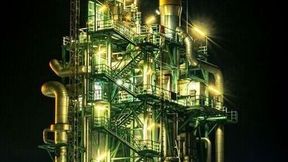
Eco-friendly, limitless and CO2-neutral: Can synthetic fuel become the future of mobility? Power-to-X projects could be used to convert surplus electricity from renewable resources into clean synthetic fuels. While decision makers and politicians are still discussing the concepts feasibility, German engineering experts from Chemieanlagenbau Chemnitz (CAC) show what can be done …
The NortH2 project aims to produce green hydrogen by utilising renewable electricity from a gigantic offshore wind farm in the Netherlands. By 2040, green hydrogen production from this project is expected to be around 800,000 tonnes per year.
The collaboration agreement includes the standardisation of solutions for large scale hydrogen production plants. Nel and Kværner will jointly develop a standardised 20 megawatt H2 production module along with a design for large (100 megawatt+) modules for major scale plants.
Neste has set an ambitious target for carbon neutral production by 2035 and this move is in line with the company’s other strategic climate commitment of reducing its customers’ greenhouse gas emissions by at least 20 million tonnes annually by 2030.
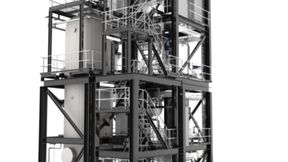
Located in Jubail, Saudi Arabia, the new industrial gas hub will comprise a steam methane reformer, an air separation unit, hydrogen pressure swing adsorption units, and the installation of comprehensive pipeline networks.
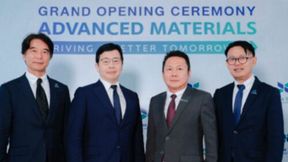
With an aim to expand Mitsubishi Gas Chemical’s super-pure hydrogen peroxide business, the company has plans to establish a new production facility which will enable the firm to meet the growing global demand for semiconductors.
Chiyoda Corporation has signed a MOU with Hazer Group and under the terms of the agreement, the Hazer Process will be adopted to develop low emission hydrogen production facilities in Japan.
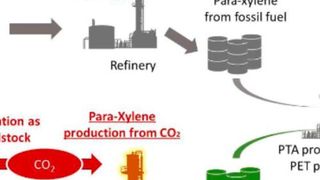
Japan’s New Energy and Industrial Technology Development Organisation (Nedo) has selected a consortium for developing the world’s most advanced technology for industrial para-xylene production from CO2. The Group has been selected as contractors for this project.
Promoting the circular economy concept, Sekisui Chemical will combine its production technology for transforming waste into ethanol with Sumitomo Chemical’s technological know-how for chemically recycling waste into polyolefin.
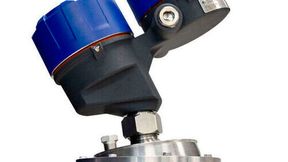
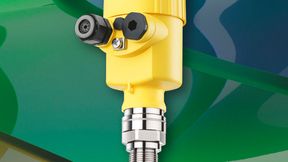
The intrinsic safety (Ex i) type of protection has established itself worldwide in the field of measurement and control technology in systems with potentially explosive areas. For one thing, it is much more cost-effective when it comes to construction when compared to other types of protection. For another, it allows for maintenance work and modifications during operation. Moreover, it is also possible to use simple electrical equipment without special approval.