Providers on the topic

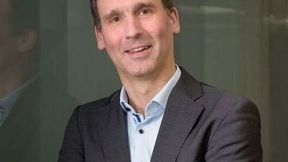
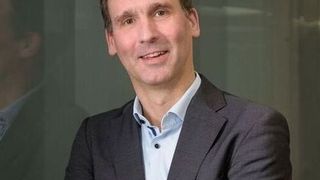
Christian Gückel, Vice President of Verticals Energy and Chemicals at Siemens (Source: Siemens )
Interview

“GalpH2Park is Set to Become One of Europe's Largest Renewable Hydrogen Plants.”

The Portuguese multinational energy corporation Galp Energia has collaborated with the German multinational technology and engineering company Siemens to digitalize the GalpH2Park project in Sines, Portugal. Expected to be one of Europe's largest renewable hydrogen plants on completion, the project is scheduled to begin operating by the end of this year. The initiative represents a significant step in accelerating Europe's energy transition, combining advanced digital technologies with large-scale green hydrogen production to support industrial decarbonization and strengthen energy security. Christian Gückel, Vice President of Verticals Energy and Chemicals at Siemens shares more information about the mega project and also highlights the benefits of the core technology being used for the GalpH2Park project. Read on to know more…

Read on

Galleries

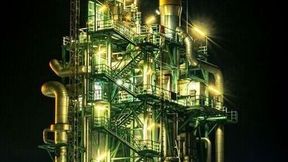
Escalating production expenses, surging energy costs, subdued demand, and waning investments leave no doubt – the European chemical industry is in a crisis.  (Source: © Grispb - stock.adobe.com)
Market Scenario

Europe’s Chemical Industry in Crisis

Europe’s chemical industry is sliding into crisis as rising energy costs, weak demand, and dwindling investments force widespread plant shutdowns. Without swift policy intervention, the region risks losing its industrial backbone to competitors in lower cost, faster growing markets.

Read on

CCS and CCUS are becoming indispensable tools in the global race to net zero.  (Source: © kanesuan - stock.adobe.com)
Decarbonization

The Global Rise of CCS and CCUS

Carbon Capture and Storage (CCS) and Carbon Capture, Utilization and Storage (CCUS) are no longer fringe technologies — they are becoming central pillars of industrial decarbonization. As governments and companies face mounting pressure to achieve net‑zero emissions by 2050, the deployment of CCS/CCUS projects has accelerated worldwide. From chemicals to energy, industries are embracing carbon capture as a critical lever to reduce emissions.

Read on