Researchers from the Federal Institute of Technology Zurich have developed a new process to produce polylactic acid (PLA) from glycerol, a waste by-product in the production of biodiesel.
According to Bloomberg and Downstreamtoday, Formosa Plastics Group is seeking permission from the U.S. state of Louisiana to invest $ 9.4 billion to build petrochemical plants.
In order to meet the fast growing global market demand for its innovative chelating agent, BASF will build a new Trilon M (methylglycinediacetic acid) world scale plant at Evonik’s Theodore, Alabama site.
Cyplus Idesa, a joint venture between German Evonik and Mexican Grupo Idesa, officially opened their sodium cyanide production plant in Coatzacoalcos, Veracruz, Mexico.
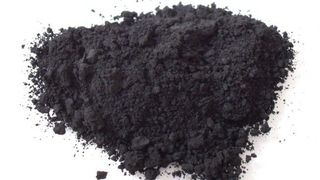
Cabot plans to invest more than US$180 million, increasing its carbon black capacity in in China, Indonesia, Brazil and Argentina by the end of 2013, as well as adding capacity at three facilities in Europe.
Nouryon and other firms based at Chemical Park Delfzijl in the Netherlands will save up to 100,000 tons of CO2 emissions per year through the increased use of sustainable steam. The company will use the additional supply to make its salt production at the Delfzijl site more sustainable.
De Lille Oxygen has opted for two Ecos units. One is located at their customer’s site for flexible over-the-fence delivery of CO. The other will deliver on-demand CO for the rest of their customers from the company’s headquarter in Columbus, Ohio.
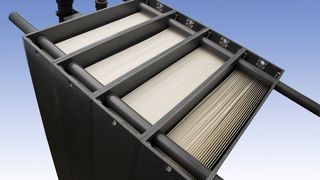
Germany’s first municipal waste water treatment plant to use Bio-Cel submerged membrane bioreactor (MBR) modules from Microdyn-Nadir marks the continuing success of this patented technology.
BASF and Sinopec commenced production at the second propionic acid plant at the Verbund site in Nanjing, China. The new plant has an annual production capacity of 30,000 metric tons of propionic acid.