PROCESS Worldwide brings to you the ‘Top 10 plant engineering projects of February 2023’ from all over the world. Right from Europe’s most sustainable cracker securing a funding of 3.5 billion euros to Exxonmobil investing 2-billion-dollars for expanding its Baytown chemical plant in the US, find out all the projects making headlines here.
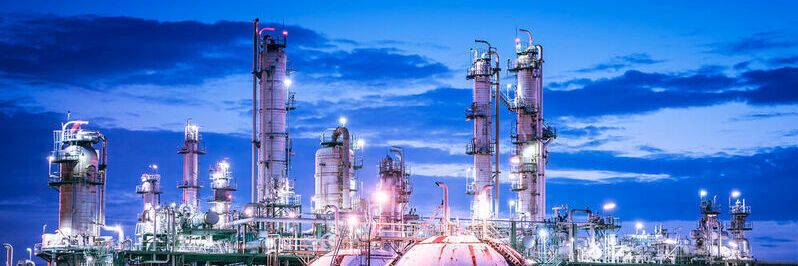
The cracker will produce ethylene, which is a vital raw material for a wide range of products essential to our daily lives.
(Source: weerapong - stock.adobe.com)
Linde to Supply Clean Hydrogen to World-Scale Blue Ammonia Project
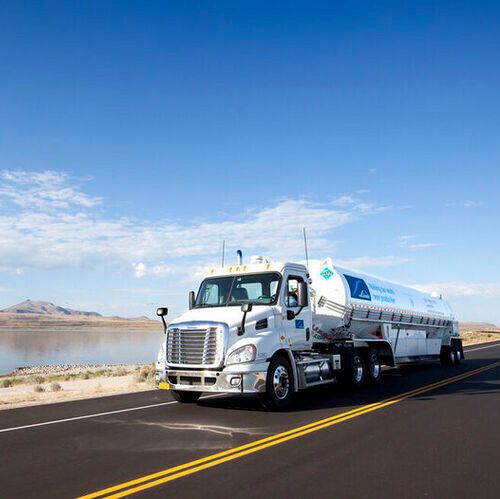
Linde's total investment will be approximately 1.8 billion dollars and the project is expected to start up in 2025.
(Source: Linde)
Feb 07 – Linde has signed a long-term agreement to supply clean hydrogen and other industrial gases to OCI’s new world-scale blue ammonia plant in Beaumont, Texas, USA. Linde will build, own and operate an on-site complex which will include autothermal reforming with carbon capture, plus a large air separation plant.
The new complex will be integrated into Linde’s extensive Gulf Coast industrial gas infrastructure. It will supply clean hydrogen and nitrogen to OCI’s 1.1 million ton per annum blue ammonia plant, the first greenfield blue ammonia facility of this scale to come onstream in the United States. Linde will supply OCI with clean hydrogen by sequestering more than 1.7 million metric tons of carbon dioxide emissions each year.
In addition to supplying OCI, Linde will also use its extensive pipeline network to provide clean hydrogen to existing and new customers in the U.S. Gulf Coast, addressing the increasing demand from companies to decarbonize their operations. The facility will also supply atmospheric and rare gases to existing and new customers. Linde's total investment will be approximately 1.8 billion dollars and the project is expected to start up in 2025.
Merck Breaks Ground for New Specialty Gases, Semiconductor Materials Plant
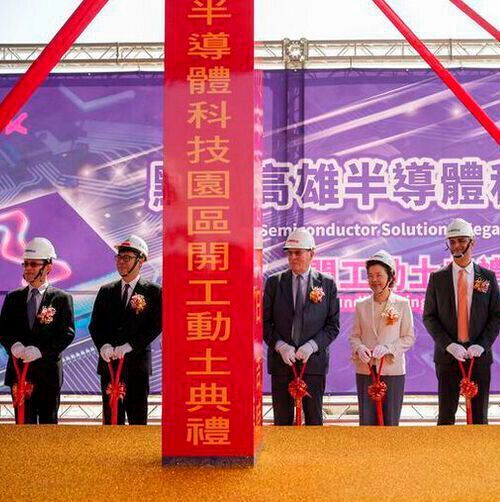
The site, which covers an area of 150,000 sq. m, is to produce specialty gases and semiconductor materials for thin film and patterning solutions as of 2025.
(Source: Merck)
Feb 09 – Merck has broken ground recently in Kaohsiung, Taiwan, for a new production facility in its Semiconductor Solutions business. The site, which covers an area of 150,000 sq. m, is to produce specialty gases and semiconductor materials for thin film and patterning solutions as of 2025. The site is to be expanded in multiple stages.
This investment is part of the ‘Level Up’ growth program initiated by the Electronics business sector at the end of 2021. By 2025, Electronics intends to invest significantly more than 3 billion euros in innovations and capacity expansion projects, thereby supporting the future success of Semiconductor Solutions, one of Merck’s ‘Big 3’ growth drivers.
“Irrespective of the current turbulent macroeconomic situation, the medium- and long-term, very positive growth prospects of our markets remain unchanged. The further advance of digitalization and the exponential growth of data will continue to lead to sharply increasing demand for electronics. That is why we are investing in our highly attractive growth markets and purposefully expanding production capacities and innovative power in the immediate vicinity of our customers,” said Kai Beckmann, Member of the Executive Board of Merck and CEO Electronics.
The new Semiconductor Solutions Site in Kaohsiung will bring the most innovative semiconductor materials while reducing the carbon footprint generated by simplifying logistics to local and Asian region customers.
Europe’s Most Sustainable Cracker Secures Funding of 3.5 Billion Euros
The cracker will produce ethylene, which is a vital raw material for a wide range of products essential to our daily lives.
(Source: weerapong - stock.adobe.com)
Feb 16 – Ineos Olefins Belgium has raised 3.5 billion euros to support the construction and operation of the most environmentally sustainable cracker in Europe. This is the largest investment in the European chemical sector for a generation.
The plant will have the lowest carbon footprint in Europe, three times lower than the average European steam cracker, and less than half of the 10 % best performers in Europe. The plant also has the capability of operating entirely with low carbon hydrogen as well as has room for a carbon capture facility and future electric furnaces.
Jason Meers, CFO Ineos Project One says, “Project One is a game changer for Europe. It will bring new opportunities to the chemical cluster in Antwerp as well as strengthen the resilience of the whole European chemical sector”.
The cracker will produce ethylene, which is a vital raw material for a wide range of products essential to our daily lives, from insulation, to lightweight vehicles, plastics for medical, healthcare and food hygiene, as well as technology for renewable energy.
World’s Largest Low Carbon Hydrogen Facility to Use Topsoe Technology
Topsoe provides technology to Exxonmobil.
(Source: Haldor Topsoe)
Feb 16 – Topsoe and Exxonmobil have signed an agreement under which Topsoe will deliver its industry leading hydrogen Syncor technology to Exxonmobil’s planned low carbon hydrogen production facility in Baytown, Texas. Exxonmobil’s low-carbon hydrogen, ammonia, and carbon capture facility is expected to generate up to 1 billion cubic feet of hydrogen per day, delivering low-carbon fuel to the Baytown olefins plant and other Houston-area facilities. Replacing natural gas with hydrogen at the Baytown olefins plant could reduce the integrated complex’s CO2 emissions by up to 30 %.
Date: 08.12.2025
Naturally, we always handle your personal data responsibly. Any personal data we receive from you is processed in accordance with applicable data protection legislation. For detailed information please see our privacy policy.
Consent to the use of data for promotional purposes
I hereby consent to Vogel Communications Group GmbH & Co. KG, Max-Planck-Str. 7-9, 97082 Würzburg including any affiliated companies according to §§ 15 et seq. AktG (hereafter: Vogel Communications Group) using my e-mail address to send editorial newsletters. A list of all affiliated companies can be found here
Newsletter content may include all products and services of any companies mentioned above, including for example specialist journals and books, events and fairs as well as event-related products and services, print and digital media offers and services such as additional (editorial) newsletters, raffles, lead campaigns, market research both online and offline, specialist webportals and e-learning offers. In case my personal telephone number has also been collected, it may be used for offers of aforementioned products, for services of the companies mentioned above, and market research purposes.
Additionally, my consent also includes the processing of my email address and telephone number for data matching for marketing purposes with select advertising partners such as LinkedIn, Google, and Meta. For this, Vogel Communications Group may transmit said data in hashed form to the advertising partners who then use said data to determine whether I am also a member of the mentioned advertising partner portals. Vogel Communications Group uses this feature for the purposes of re-targeting (up-selling, cross-selling, and customer loyalty), generating so-called look-alike audiences for acquisition of new customers, and as basis for exclusion for on-going advertising campaigns. Further information can be found in section “data matching for marketing purposes”.
In case I access protected data on Internet portals of Vogel Communications Group including any affiliated companies according to §§ 15 et seq. AktG, I need to provide further data in order to register for the access to such content. In return for this free access to editorial content, my data may be used in accordance with this consent for the purposes stated here. This does not apply to data matching for marketing purposes.
Right of revocation
I understand that I can revoke my consent at will. My revocation does not change the lawfulness of data processing that was conducted based on my consent leading up to my revocation. One option to declare my revocation is to use the contact form found at https://contact.vogel.de. In case I no longer wish to receive certain newsletters, I have subscribed to, I can also click on the unsubscribe link included at the end of a newsletter. Further information regarding my right of revocation and the implementation of it as well as the consequences of my revocation can be found in the data protection declaration, section editorial newsletter.
Elena Scaltritti, Chief Commercial Officer, Topsoe, said: “Once complete, this ambitious project will result in hydrogen that can be used for low-carbon fuels and chemicals to help meet global net zero targets. We are eager to start working with Exxonmobil and to enable the capturing of massive volumes of CO2 emissions from the hydrogen production.”
Dan Ammann, president of Exxonmobil Low Carbon Solutions, said: “The scale of this project is expected to enable up to a 30 % reduction in Scope 1 and 2 emissions from our Baytown facility by switching from natural gas as a fuel source to low-carbon hydrogen.”
Technip Energies Secures Feed Contract for World’s First Commercial Efuels Facility
Arcadia efuels will use renewable electricity, water, and biogenic carbon dioxide to produce efuels that can be used in traditional engines and supplied to the market in existing liquid fuel infrastructures.
(Source: Pixabay)
Feb 21 – Technip Energies has been awarded a Front-End Engineering and Design (Feed) contract by Arcadia efuels for the world’s first commercial efuels facility for sustainable aviation fuels production in Vordingborg, Denmark. Pre-Feed and early works recently concluded, and parties aim to support plant startup in 2026. Arcadia efuels will use renewable electricity, water, and biogenic carbon dioxide to produce efuels that can be used in traditional engines and supplied to the market in existing liquid fuel infrastructures.
The feed covers the engineering of the first efuels plant that will produce approximately 80,000 MTPA of ejet fuel (ekerosene) and enaphtha, using novel yet proven technologies. It also covers the engineering of a 250 MW electrolyzer plant to produce green hydrogen. The plant will be designed with a flexible product slate to also allow for production of ediesel. These fuels allow airlines to cut their carbon emissions proportionally therefore providing the ability for airlines and heavy transportation to meet both voluntary carbon reductions and proposed EU mandates for efuels use.
Fluor Wins Feed, EPCM Contracts for World’s First Net-Zero Ethylene and Derivatives Complex
Dow’s net-zero emissions ethylene cracker and derivatives complex is subject to approval by Dow’s Board of Directors and various regulatory agencies.
(Source: Pixabay)
Feb 22 – Fluor has been awarded a reimbursable contract by Dow to provide front-end engineering and design (Feed) and engineering, procurement and construction management (EPCM) services for the world’s first net-zero carbon emissions (scope 1 and 2 carbon dioxide emissions) ethylene cracker and derivatives complex in Fort Saskatchewan, Alberta, Canada. Fluor will book the initial Feed award in the first quarter and anticipates that the additional EPCM scope will be awarded throughout 2023 pending a final investment decision by Dow’s Board of Directors.
Dow’s net-zero emissions ethylene cracker and derivatives complex, which is subject to approval by Dow’s Board of Directors and various regulatory agencies, would decarbonize approximately 20 percent of its global ethylene capacity while growing its polyethylene supply by about 15 percent and supporting approximately 1 billion dollars of Ebitda (earnings before interest, taxes, depreciation and amortization) growth across the value chain by 2030.
The additional project scope to be awarded in 2023 includes integrated project management team services for the entire Fort Saskatchewan Path2Zero program and EPCM services for the ethane cracker and associated utilities, power and infrastructure.
Indian Oil Corporation Commissions Pörner to Develop Three Bitumen Plants
To date, Biturox plants licensed by Pörner produce around 65 percent of India’s bitumen.
(Source: Pörner Group)
Feb 23 – India’s road network covers around 6.2 million kilometers, which makes it the second largest in the world after the USA. Almost 70 percent of all roads have been paved to date, only two percent of which are national highways. Currently, the government invests 350 billion U.S. dollars in the road infrastructure in northeastern India. The annual bitumen demand is expected to exceed the eight million ton mark.
India has always been an important market for Pörner. To date, Biturox plants licensed by Pörner produce around 65 percent of India’s bitumen. 10 of India’s 23 refineries already produce modern bitumen with high viscosity grades using Biturox plants. First-class quality bitumen plays a crucial role as an essential building material for road construction. Therefore, India’s largest company, Indian Oil Corporation Ltd (IOCL), is now investing in the construction of three more bitumen plants at the Paradip, Gujarat and Barauni refineries.
Pörner has already realized plants for IOCL at two of these locations: in Gujarat in 2002 and in Barauni in 2017. Now the engineering company is pleased about follow-up orders and the award of the 60th, 61st and 62nd Biturox license.
The new plant in Barauni is expected to produce 300,000 metric tons per annum (TPA) of bitumen in the future to meet the demand for bitumen products in eastern India. In western India, the new plant in Gujarat will cover the bitumen demand with a capacity of 500,000 TPA. Since summer 2022, Pörner engineers have been working on the basic engineering at the Barauni and Gujarat refineries and preparing the delivery of the key equipment.
Pörner’s first project at the Paradip refinery includes the basic engineering as well as the supply of the key equipment of the Biturox plant. The project started in December 2022 and is expected to be completed in June 2023.
Exxonmobil to Invest 2-Billion-Dollars for Expanding Baytown Chemical Plant
Exxonmobil’s Baytown facility is the largest integrated petrochemical complex in the U.S. and is one of the most technologically advanced refining and petrochemical complexes in the world.
(Source: Pixabay)
Feb 24 – Exxonmobil will proceed with a 2-billion-dollar investment to expand its Baytown, Texas chemical plant, which will create approximately 2,000 jobs during construction and contribute to the approximate 15 percent return the company expects from its chemical investments. The Baytown expansion is in addition to the company’s 2017 Growing the Gulf initiative, which outlined plans to build and expand manufacturing facilities along the U.S. Gulf Coast, creating more than 45,000 high-paying jobs across the region.
“Our Baytown chemical expansion will put us in a solid position to maximize the value of increased Permian Basin production and will deliver higher-demand, higher-value products produced at our Gulf Coast refining and chemical facilities,” said Woods.
“Global demand for chemicals is expected to be greater than energy demand growth and GDP growth over the next 20 years,” Woods said. The expansion, expected to start up in 2022, includes a new Vistamaxx performance polymer unit, which produces products that offer higher levels of elasticity, softness and flexibility, attributes that contribute to a reduction in materials used and increased performance in everyday products. The new unit will produce about 400,000 tons of Vistamaxx polymers a year.
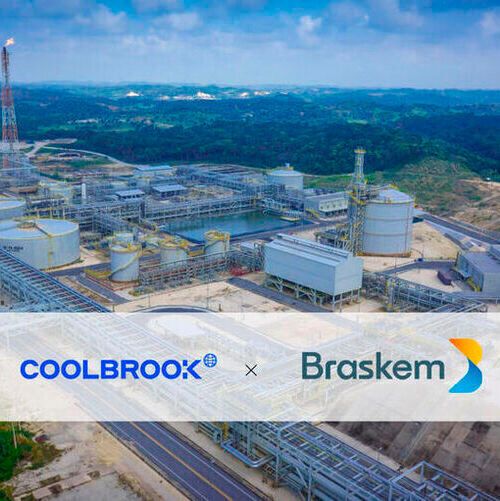
Braskem, Coolbrook Collaborate for Cracker Electrification
The company aims to reduce greenhouse gas emissions by 15 % by 2030 and achieve carbon neutrality by 2050.
(Source: Braskem)
Feb 28 – Committed to implementing new technologies and solutions that reinforce sustainable development, mainly in the fight against climate change, Braskem signed a cooperation agreement with Coolbrook, a technology and transformational engineering company that owns the disruptive technology for the electrification of cracking units (crackers) called Rotodynamic Reactor (RDR).
With this cooperation, Braskem and Coolbrook begin the implementation of a pilot project, where the petrochemical company will evaluate the use of the technology on an industrial scale to introduce it in its crackers. Ultimately, the project aims to electrify the crackers, by replacing the use of thermal energy from fossil fuels with electricity from renewable sources, which is one of the ways for Braskem to reach the goal of carbon neutrality by 2050.
In addition to eliminating emissions from burning fuels, the technology has the potential to increase raw material flexibility and yields, also contributing to improved energy efficiency compared to traditional cracking technologies. The initiative is linked to Braskem's business strategies to meet the goals established in the fight against climate change. The company aims to reduce greenhouse gas emissions by 15 % by 2030 and achieve carbon neutrality by 2050.
Expanding the use of renewable electricity, as well as renewable raw materials, will allow Braskem to reduce its carbon footprint in the production of ethylene, propylene and other chemical products.
Covestro Begins Chlorine Production at World-Scale Plant
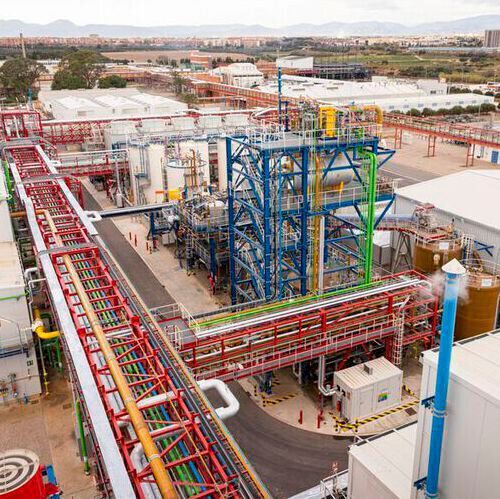
Covestro's new chlorine plant in Tarragona will enable more sustainable and efficient production of MDI, a major raw material for polyurethane rigid foam.
Feb 28 – Covestro has successfully started up a new world-scale facility for the production of chlorine in Tarragona, Spain. It is the first world-scale production plant for chlorine based upon the highly innovative and energy efficient ODC (oxygen depolarized cathode) technology invented by Covestro and its partners. The new plant ensures an efficient, sustainable and independent supply of chlorine and caustic soda to MDI production in Tarragona. This will strengthen the European production network for MDI – a precursor for the manufacture of rigid polyurethane foam used to insulate refrigeration appliances and buildings. The 200-million-euro investment has created 50 new jobs on site.
The new chlorine facility is the first industrial-scale plant in the world to use the innovative oxygen depolarized cathode technology (ODC). The technology has been developed by Covestro in collaboration with thyssenkrupp nucera. Compared to the currently predominant conventional chlor-alkali electrolysis, the new process requires a lower voltage, which results in energy savings of up to 25 percent. At the new plant in Tarragona, this can avoid up to 22,000 metric tons of CO2 emissions per year compared with existing processes – based on the energy mix at the start of construction planning in 2018. The new plant will thus make an important contribution to Covestro’s goal of being operationally climate-neutral by 2035.
The chlorine is used on site as a raw material for the production of MDI, a precursor for the manufacture of rigid polyurethane foams as used for producing energy-efficient insulation solutions for buildings and refrigerating devices. In 2019, the global MDI market had a volume of around 7,500 kilotons and is expected to further grow in the long term. In addition to chlorine, the plant will also produce caustic soda for the Iberian and European markets. Both chlorine and caustic soda are two indispensable basic chemicals for the chemical industry, and are also key raw materials for many other strategic sectors.




:quality(80)/p7i.vogel.de/wcms/54/f4/54f4b4e2a86b203e0dfd84221602bdb5/0130367283v2.jpeg "Anybotics' Anymal robot combines depth cameras, LiDAR, thermal imaging, acoustic sensors, and gas detectors into a single inspection round. (Source: Anybotics)")
:quality(80)/p7i.vogel.de/wcms/e9/64/e964996410967c124c2cf01a8623068e/0130285341v1.jpeg "Geht unter die Oberfläche: Die Offshore-Ölförderung erfordert hochenergetische Pumpen – doch diese sind im Wesentlichen eine Black Box. Bisher zumindest. (Source: Kistler Group)")
:quality(80)/p7i.vogel.de/wcms/54/ae/54aece5dff672ce1651470eecd9f2589/0130138090v2.jpeg "The new Ionchromatograph “Nexera IC“ (Source: Shimadzu)")
:quality(80)/p7i.vogel.de/wcms/49/5c/495c651fabd24a437c98bde6a3d71ecc/0130060419v2.jpeg "Enfinium has successfully piloted Wasteer’s groundbreaking visual AI technology at its Ferrybridge 2 facility in West Yorkshire and Parc Adfer facility in North Wales. (Source: Chris Parkes Photographer Ltd.)")
:quality(80)/p7i.vogel.de/wcms/1e/15/1e15b0e20cf5ede83e0749260dfda733/0130465044v2.jpeg "Energy X has recently announced the successful commissioning of a first-of-its-kind, U.S.-based lithium production facility at Project Lonestar, marking a major milestone toward commercial-scale domestic lithium production. (Source: Pixabay)")
:quality(80)/p7i.vogel.de/wcms/36/36/36369e6e59d4c660893cc04a4d257cfc/0130465035v2.jpeg "Wacker has successfully completed the second expansion phase at its production site in Panagarh, India. In addition to silicone rubber, the site now also operates a production complex (left) for silicone emulsions. (Source: Wacker)")
:quality(80)/p7i.vogel.de/wcms/1f/1e/1f1eba3731af22e1d9946e2897f134da/0130464799v2.jpeg "Aerial view of the BASF production site in Zhanjiang, China. (Source: BASF )")
:quality(80)/p7i.vogel.de/wcms/64/bb/64bb4812390b6491ce0bd4fe53597086/0130333812v2.jpeg "The solar power plant produces 30 GWh per year of renewable electricity, which is self-consumed by Holcim’s industrial facilities, making it the largest floating solar power plant in Europe dedicated to self-consumption. (Source: Pixabay)")
:quality(80)/p7i.vogel.de/wcms/41/c9/41c96e0244221ad38daa73bdd8231477/0130477173v2.jpeg "The „ORBITA‑L“-system is designed for filling and capping non‑injectable liquid products. (Source: Marchesini)")
:quality(80)/p7i.vogel.de/wcms/7a/50/7a501f6d8f87a4524dc3aaceb04eacb4/0130333829v2.jpeg "The Clear Lake facility represents Clariant's first U.S. manufacturing site dedicated to producing pharmaceutical-grade PEG excipients, marking a pivotal milestone in the company's healthcare growth strategy. (Source: Clariant)")
:quality(80)/p7i.vogel.de/wcms/26/12/261210e5920899e5c35c4f905d3be8bd/0129399814v2.jpeg "Powders used in DPI formulations are often highly potent and administered in very low doses. (Source: Ima)")
:quality(80)/p7i.vogel.de/wcms/6b/3f/6b3f057c83c494e4732337d870d52b21/0130006927v2.jpeg "Lonza will realize upfront cash proceeds of 2.2 billion dollars and retain a 40 % stake in the business, with additional preferential participation in its future exit. (Source: Lonza)")
:quality(80)/p7i.vogel.de/wcms/df/35/df3526a6f7aba41fdd2bb2051954e0d8/0130163620v2.jpeg "The SPA, valued at more than 3 billion dollars, is one of the largest binding long-term green ammonia off-take agreements globally. (Source: Pixabay)")
:quality(80)/p7i.vogel.de/wcms/af/73/af7394d9f8900024c5ee7fca459c4eeb/0130080328v2.jpeg "Axens has signed a MOU with Airbus to strengthen their cooperation in the development and deployment of SAF, a key pillar for decarbonizing the aviation sector. (Source: Pixabay)")
:quality(80)/p7i.vogel.de/wcms/0e/19/0e19f0cf0379c3af4c2fe02629db63f1/0130079229v2.jpeg "Thyssenkrupp Uhde has been selected by CSBP to deliver its patented Envinox technology for two nitric acid plants at CSBP’s Kwinana site in Western Australia. (Source: Thyssenkrupp Uhde)")
:quality(80)/p7i.vogel.de/wcms/a6/84/a68477d4ef879cc9cedeae332ca57c49/0129893677v2.jpeg "Siemens and Caphenia sign the partnership agreement. From left to right: Nicky Ahnert, Jürgen Giegerich, Frank Knauf (all Siemens), Dr. Mark Misselhorn, Dr. Andreas Waibel (both Caphenia) (Source: Siemens)")
:quality(80)/p7i.vogel.de/wcms/1c/39/1c39433f4bb4de2e5e6c5311c3236d09/0130110254v2.jpeg "The new pumps of the Omega type series have been designed for handling water and fluids with a low solids content efficiently. (Source: KSB)")
:quality(80)/p7i.vogel.de/wcms/be/e1/bee13b8d51a419b9b8f0685e2b9d47bf/0128917673v1.jpeg "The Centerwave 6000 measures pipes from 32 to 1,600 mm. (Source: Maag Group)")
:quality(80)/p7i.vogel.de/wcms/51/7a/517a4e83c5827663b4839f5ddb98f434/0128872953v1.jpeg "The Tigron in SIL version can be flexibly configured for different safety requirements. (Source: Auma)")
:quality(80)/p7i.vogel.de/wcms/60/ef/60efa975d1dd123c1afbfb6ccc060461/0130263955v2.jpeg "Aquaclean (Source: Oko-tech)")
:quality(80)/p7i.vogel.de/wcms/07/62/0762f20b1821ee2724c97989374d6397/0130257651v2.jpeg "Oleksandr Sadchykov in front of the water treatment unit (Source: Grundfos)")
:quality(80)/p7i.vogel.de/wcms/98/98/989863664c7b65e87caf74a08239d487/0130167217v2.jpeg "Keller 26KyX Level Probe (Source: © Keller Pressure)")
:quality(80)/p7i.vogel.de/wcms/64/4e/644e22b71e8d35a63f051f781eb13886/0130163451v2.jpeg "Vega will present level and pressure measurement technology for the water industry at Ifat 2026. (Source: Vega)")
:quality(80)/p7i.vogel.de/wcms/6b/cc/6bcc3d26e1c7c74d90a10bc3ca296ae1/0128362351v2.jpeg "A look into Bayer's new tablet production, Solida 1, during construction: The robots and lift columns for material handling are being installed. (Source: Bayer)")
:quality(80)/p7i.vogel.de/wcms/24/c8/24c84ab6b1bcd24468a87820a07a85aa/0128194707v2.jpeg "Ajax Equipment has supplied Binding Solutions with a feed system comprising buffer hopper, screw feeder and agitated screw feeder for a pilot plant handling iron ore and additives. (Source: Ajax Equipment )")
:quality(80)/p7i.vogel.de/wcms/1d/3e/1d3e2788eb37c1e974f36337c8d33cb5/0128191010v2.jpeg "Ajax Equipment has supplied IGI Systems with a stainless-steel conical hopper with gas purge capability, as part of a prototype Sublimation System for a low-pressure chemical vapour deposition application. (Source: Ajax Equipment)")
:quality(80)/p7i.vogel.de/wcms/19/76/1976928d7d0a2ed7c1eeba7ade8552c8/0126365603v1.jpeg "Detail of Valvedesign: It has an aktiv amd passive part (Bild: Italvacuum)")
:quality(80)/p7i.vogel.de/wcms/0c/a1/0ca135e0486c9af90a0552aea85de88c/0130439525v2.jpeg "Qatar Energy expects the damage to its Ras Laffan Industrial City caused by missile strikes, which occurred on Wednesday 18 March 2026, and in the early hours of Thursday 19 March 2026, to cost about 20 billion dollars a year in lost revenue. (Source: Pixabay)")
:quality(80)/p7i.vogel.de/wcms/d0/f7/d0f7d560dfce37c8371442d5b6120e3c/0130182478v1.jpeg "The Gelsenkirchen refinery primarily manufactures fuels for vehicles and aircraft, processing roughly 12 million tonnes of crude oil per year. (Source: BP)")
:quality(80)/p7i.vogel.de/wcms/7f/96/7f9628e43c99564fa6dfd8e76149425d/0130165852v2.jpeg "Pure titanium recycling process for chlor-alkali electrolysis cells. (Source: Asahi Kasei)")
:quality(80)/p7i.vogel.de/wcms/f8/29/f8298429c1638b949a6f76346f6709c7/0118701710v2.jpeg "Bosch Industrial Heat will be presenting sustainable steam and heat solutions for global industrial use at the Achema trade fair in Frankfurt, Germany. (Source: Bosch Industriekessel)")
:quality(80)/p7i.vogel.de/wcms/07/24/07242664ab2b1c7841c9d9d0a127670c/0116045959.jpeg "A look inside the GEA machine room. (Bild: Magnavale)")
:quality(80)/p7i.vogel.de/wcms/c9/79/c979a20b32395ddfa93fe7ead90578a0/0108386061.jpeg "Production residues, lime, salt and suspended solids quickly clog the pipes. (Source:©Tanakorn - stock.adobe.com)")
:quality(80)/p7i.vogel.de/wcms/9e/5c/9e5c92d942ed046a27562d6e3d730c92/0103483548.jpeg "It is almost ten metres high and extends over three floors: the world's first multiple dividing wall column is located in the new technical centre at the University of Ulm. (Bild: Eberhardt, kiz Universität Ulm)")
:quality(80)/p7i.vogel.de/wcms/7c/77/7c77e24fdcc9e1511e8e711eff161e28/0130175489v2.jpeg "The milestone confirms the fast pace of development of Eni’s deep water gas projects offshore East Kalimantan. (Source: Unsplash )")
:quality(80)/p7i.vogel.de/wcms/b3/2f/b32fb9f5aa54e9cb6c92e4b6c8665263/0130163018v2.jpeg "The decision to take emergency collective action was made following an extraordinary meeting of IEA Member governments, convened by the IEA Executive Director to assess market conditions amid the conflict in the Middle East and consider the options to address supply disruptions. (Source: © Sashkin - stock.adobe.com)")
:quality(80)/p7i.vogel.de/wcms/85/d2/85d2cb02c4ae45a99454b5405b0f2489/0130149909v2.jpeg "IEA Executive Director Fatih Birol issued a statement on the meeting of G7 Energy Ministers at its IEA headquarters in Paris. (Source: © Marko - stock.adobe.com)")
:quality(80)/p7i.vogel.de/wcms/a8/4e/a84e8039a90a5cf4751d01ebcf6ba1a9/0127510172v2.jpeg "After six years, Achemasia, the international trade fair and innovation forum for sustainable chemical production, has returned with renewed vigor, bringing together global expertise, Chinese innovation, and a shared commitment to a greener industrial future—according to the organizers of the fair. (Source:PROCESS China)")
:quality(80)/p7i.vogel.de/wcms/17/c7/17c703445f134eb3d7ecc7918dda2762/0124596096v2.jpeg "Achema Middle East will launch in Saudi Arabia in 2026. (Bild: Dechema/ Hannibal)")
:quality(80)/p7i.vogel.de/wcms/2a/2c/2a2cffc07f51019065387cd63241b5ce/0119463370v1.jpeg "The Injecta 36 fills and seals RTU (Ready-to-Use) syringes at high speed. The image shows the robotic arm. (Source: IMA)")
:quality(80)/p7i.vogel.de/wcms/b1/7e/b17ea8c62ccafad1d1fb072d6199bbd6/0118578446.jpeg "“Star in the ring”: Vegapuls 6X radar level sensors are the solution of choice for Renolit for many applications on the way to the perfect plastic product. (Source: © MR Design - stock.adobe.com; Vega)")
:quality(80)/p7i.vogel.de/wcms/09/e3/09e378194b496921d2a267a6752322eb/0130333473v2.jpeg "Under the terms of the contract, KBR will provide contract management, project management and supporting technical services throughout the EPC phases of the project. (Source: KBR)")
:quality(80)/p7i.vogel.de/wcms/77/9d/779db435e7f9d79bafe16101008a9cfa/0130263548v2.jpeg "The Kingdom of Saudi Arabia, the UAE and Turkey are three core countries in the region that are actively incorporating the plastics circular economy with the assistance of the chemical recycling technology. (Source: © Anastasiia - stock.adobe.com)")
:fill(fff,0)/images.vogel.de/vogelonline/companyimg/103000/103097/65.jpg "Pörner Gruppe mit Rand.jpg ()")
:fill(fff,0)/images.vogel.de/vogelonline/companyimg/2000/2093/65.jpg "Glatt_Logo_ND4c-RGB (5x3cm).jpg ()")
:fill(fff,0)/p7i.vogel.de/companies/61/f9/61f9439b7cbe4/logo-edl.png "logo-edl (EDL Anlagenbau Gesellschaft mbH)")
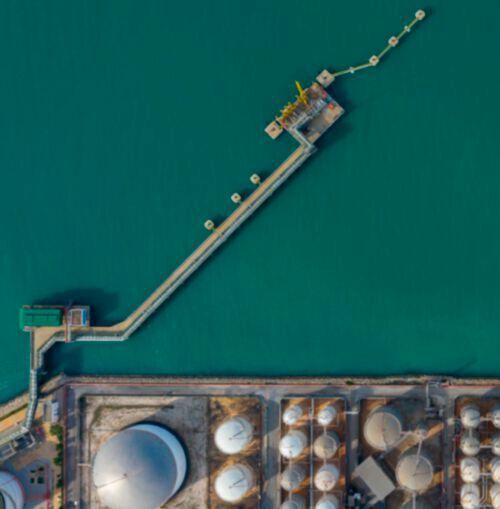


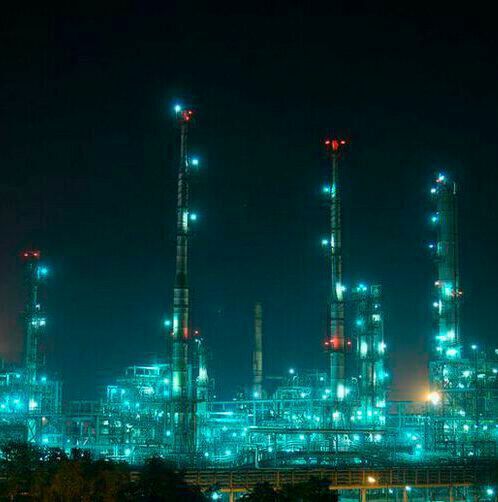

:quality(80)/p7i.vogel.de/wcms/ac/d5/acd59e01d5de8eab2f95cd3aad284737/0124991963v2.jpeg "Exxonmobil’s facility is expected to be the world’s largest of its kind upon startup, capable of producing up to 1 billion cubic feet daily of low-carbon hydrogen, which is virtually carbon-free, and more than 1 million tons of low-carbon ammonia per year. (Source: Pixabay)")
:quality(80)/p7i.vogel.de/wcms/e9/14/e9149b52a5cf436e6fe6743e491037ac/0129926282v2.jpeg "At a glance: Plant engineering projects from across the globe. (Source: © industrieblick - stock.adobe.com)")