PROCESS Worldwide brings to you the ‘Top 10 plant engineering projects of August 2024’ from all over the world. Right from E3 Lithium building its fully integrated lithium brine demonstration facility to a revolutionary green ammonia plant being inaugurated in Denmark, find out all the projects making headlines here.
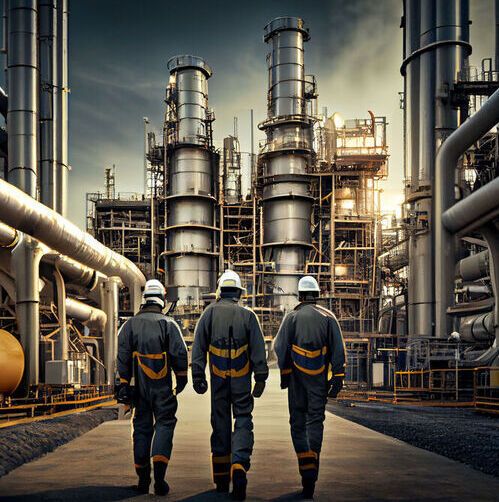
At a glance: Plant engineering projects from across the globe.
(Source: serperm73 - stock.adobe.com)
Lubrizol to Develop its Largest Manufacturing Unit in India
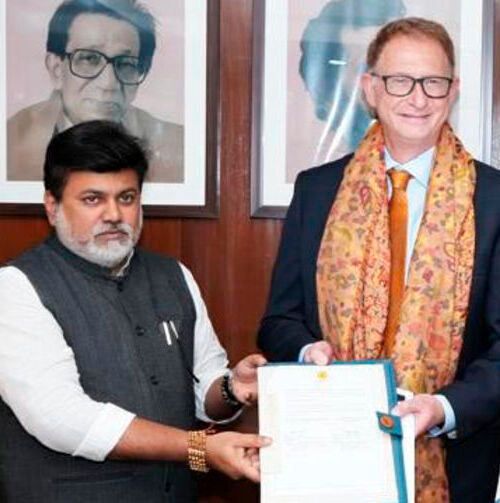
The Lubrizol Corporation has signed a MOU to purchase a 120-acre plot in Aurangabad, India, where it plans to construct a new manufacturing facility to initially support the region’s growing transportation and industrial fluid markets.
(Source: Lubrizol)
Aug 02 – The Lubrizol Corporation has recently signed a Memorandum of Understanding to purchase a 120-acre plot in Aurangabad, India, where it plans to construct a new manufacturing facility to initially support the region’s growing transportation and industrial fluid markets. The initial phase of the project represents a projected investment of approximately 200 million dollars, the company’s largest ever in India, and builds on previously committed investment in the region.
The plant will become the company’s second-largest manufacturing facility globally and its largest manufacturing facility in India when completed. Construction will progress in phases over the next several years with room for future expansion.
“Lubrizol has made meaningful investments in India for more than five decades,” said Flavio Kliger, President of Lubrizol Additives. “This new state-of-the-art manufacturing facility will allow us to enhance our local capacity and capabilities for our Additives business with the potential to support other Lubrizol businesses and regions in the future.”
The announcement of the Aurangabad plant signals the company’s latest efforts to accelerate growth and enhance its local-for-local capacity in the region.
In addition to supporting demand for India, this site will enable export opportunity to surrounding countries and to other Lubrizol sites. Commencement of manufacturing at the site is expected to coincide with Lubrizol’s 100th anniversary in 2028.
KBR’s Sustainable Aviation Fuel Technology Selected for US Project
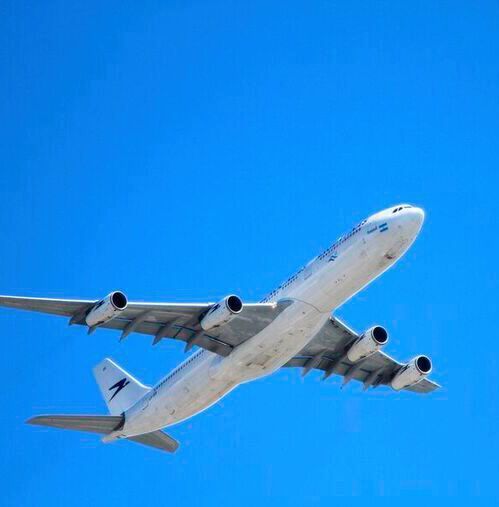
Under the terms of the contract, KBR will provide the technology licensing, proprietary engineering design, and Feed for Avina's facility to produce 120 million gallons of SAF per year.
(Source: Pixabay)
Aug 08 – KBR has recently announced that Avina Clean Hydrogen has selected the sustainable aviation fuel technology, Puresaf, for its project in the US. Developed by Swedish Biofuels, Puresaf technology is exclusively licensed by KBR worldwide. Under the terms of the contract, KBR will provide the technology licensing, proprietary engineering design, and front-end engineering design (Feed) for Avina's facility to produce 120 million gallons of sustainable aviation fuel (SAF) per year.
"Puresaf is an innovative, advanced technology that produces jet fuel that is fully fungible with conventional jet fuel, from a variety of feedstocks at low cost and on an industrial scale," said Angelica Hull, Managing Director of Swedish Biofuels. "In addition to processing ethanol, our technology can also convert mixed alcohols, carbon dioxide, and synthesis gas to SAF, creating pathways for utilizing captured carbon for a cleaner, more sustainable future."
"We are excited to expand our collaboration with Avina as it ventures into the SAF market," said Jay Ibrahim, KBR President, Sustainable Technology Solutions. "In 2023, KBR's K-Green technology was selected by Avina for its green ammonia project in the US. Avina's leadership in energy transition projects aligns with KBR's commitment to implementing decarbonization technologies to advance ESG objectives. Along with Swedish Biofuels, we look forward to helping Avina diversify into other high-potential sustainable growth sectors."
"We are delighted to select the innovative aviation fuel technology offered by KBR for our ethanol-to-sustainable jet fuel project in Illinois," said Vishal Shah, Chief Executive Officer of Avina Clean Hydrogen. "Puresaf's project-economic advantages, low carbon intensity, and environmental benefits make it an ideal choice compared to other technologies."
Invista Completes Expansion of Nylon 6,6 Polymer Site in China
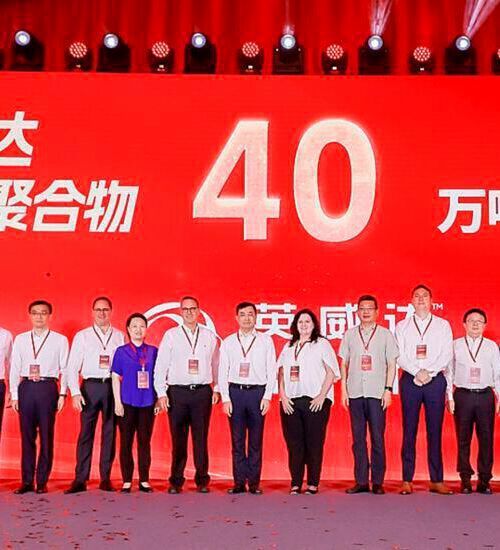
Invista Nylon Chemicals (China) Co. has completed the expansion of its nylon 6,6 polymer site at the Shanghai Chemical Industry Park.
(Source: Invista)
Aug 09 – Invista Nylon Chemicals (China) Co. has completed the expansion of its nylon 6,6 polymer site at the Shanghai Chemical Industry Park (SCIP). The site expansion, at a total investment of 1.75 billion RMB (240 million dollars), has doubled the annual capacity of nylon 6,6 polymer to 400,000 tons and will be a critical part of maximizing the value of Invista’s integrated nylon 6,6 value chain to meet growing demand for high-quality products. It will also provide additional stable local supply and faster market response to facilitate the growth potential of downstream applications.
“Invista has been playing a leading role and cooperating with SCIP, as SCIP is developing an advanced and competitive nylon industry base,” said Ruan Li, director general of Shanghai Chemical Industry Park Administrative Committee.
“Invista, as a global leader in the field of nylon, has always stood at the forefront of technological innovation and the market, leading the trend of industry development. The doubling of Invista's nylon 6,6 production capacity in Shanghai is not only a strong response to current market demand but also a precise grasp of future development trends,” said Pang Guanglian, executive board member, vice secretary general, China Petroleum and Chemical Industry Federation.
Date: 08.12.2025
Naturally, we always handle your personal data responsibly. Any personal data we receive from you is processed in accordance with applicable data protection legislation. For detailed information please see our privacy policy.
Consent to the use of data for promotional purposes
I hereby consent to Vogel Communications Group GmbH & Co. KG, Max-Planck-Str. 7-9, 97082 Würzburg including any affiliated companies according to §§ 15 et seq. AktG (hereafter: Vogel Communications Group) using my e-mail address to send editorial newsletters. A list of all affiliated companies can be found here
Newsletter content may include all products and services of any companies mentioned above, including for example specialist journals and books, events and fairs as well as event-related products and services, print and digital media offers and services such as additional (editorial) newsletters, raffles, lead campaigns, market research both online and offline, specialist webportals and e-learning offers. In case my personal telephone number has also been collected, it may be used for offers of aforementioned products, for services of the companies mentioned above, and market research purposes.
Additionally, my consent also includes the processing of my email address and telephone number for data matching for marketing purposes with select advertising partners such as LinkedIn, Google, and Meta. For this, Vogel Communications Group may transmit said data in hashed form to the advertising partners who then use said data to determine whether I am also a member of the mentioned advertising partner portals. Vogel Communications Group uses this feature for the purposes of re-targeting (up-selling, cross-selling, and customer loyalty), generating so-called look-alike audiences for acquisition of new customers, and as basis for exclusion for on-going advertising campaigns. Further information can be found in section “data matching for marketing purposes”.
In case I access protected data on Internet portals of Vogel Communications Group including any affiliated companies according to §§ 15 et seq. AktG, I need to provide further data in order to register for the access to such content. In return for this free access to editorial content, my data may be used in accordance with this consent for the purposes stated here. This does not apply to data matching for marketing purposes.
Right of revocation
I understand that I can revoke my consent at will. My revocation does not change the lawfulness of data processing that was conducted based on my consent leading up to my revocation. One option to declare my revocation is to use the contact form found at https://contact.vogel.de. In case I no longer wish to receive certain newsletters, I have subscribed to, I can also click on the unsubscribe link included at the end of a newsletter. Further information regarding my right of revocation and the implementation of it as well as the consequences of my revocation can be found in the data protection declaration, section editorial newsletter.
“Invista sees the great potential for China to become the center for the world’s nylon 6,6 demand,” said Nancy Kowalski, executive vice president, Upstream Nylon Global, Invista. “The expansion of our production site represents a crucial milestone in how we serve our customers in China and across the globe. It will support Invista co-developing cutting-edge solutions in engineering plastics, textile and industrial fibers with our partners, and also support industry advancements on a global scale in automotive, electrical and electronics, as well as consumer products.”
Located in SCIP, the expanded polymer site is fully integrated with existing Invista facilities, connecting upstream adiponitrile (ADN) and hexamethylene diamine (HMD) facilities and empowering R&D through Invista’s Asia Innovation Center. The site deploys Invista's nylon 6,6 polymerization technology, which uses an aqueous solution method to prepare nylon 6,6 salts without using chemical solvents. This polymerization technology simplifies the production process, enhances safety and environmental performance, and is more energy efficient than alternative technologies.
The project’s construction phase used a modular construction approach to reduce the impact on ongoing production and enable smooth business operations while accelerating the expansion project process. Sixty-three modules were built in the module yard and transferred to the Invista site. By pre-building, the construction process also successfully reduced the number of workers onsite and also reduced risk to safety or quality, achieving a cumulative 5 million safe working hours without a lost time injury.
E3 Lithium to Build Fully Integrated Lithium Brine Demonstration Facility
The Demo Project takes a significant step forward in the Company’s strategic plan to develop a commercial lithium facility that will reinforce western Canada as a major lithium resource jurisdiction.
(Source: dinastya - stock.adobe.com)
Aug 09 – E3 Lithium, a leader in Canadian lithium, has plans to build a fully integrated Lithium Brine Demonstration Facility (the “Demo Project”) with the goal to produce battery grade lithium carbonate from brines located within the Leduc reservoir in Alberta. The Demo Project takes a significant step forward in the Company’s strategic plan to develop a commercial lithium facility that will reinforce western Canada as a major lithium resource jurisdiction.
The Demo Project will be an advancement from the successful Direct Lithium Extraction (“DLE”) pilot program conducted in 2023. The Company operated and evaluated multiple technologies, showcasing the technical feasibility of DLE technology including its own proprietary DLE. The 2023 pilot provided critical data used in the recently released Pre-Feasibility Study (“PFS”) validating the economic feasibility of lithium projects in Alberta.
The Demo Project will operate a fully integrated process that will include an increase in the scale of the DLE system and add into the processes for the purification, concentration and chemical conversion to continually process brine into battery grade lithium carbonate. Additional hydroxide developments will be conducted offsite. The objectives of the Demo Project are to unify the necessary components onsite into a fully integrated process replicating, as best as possible at a reduced scale, a commercial system.
This will provide real-time data while the Company continues to design a commercial system through advanced engineering. It will also provide samples for commercial discussions with potential strategic partners. The Demo Project will enable the Company to continually optimize and de-risk each step of the flowsheet as it moves towards completing its feasibility study.
This facility is unique in Canada and will serve as an economic driver for Alberta’s battery supply chain. The Company will publish more details on the Demo Project over the coming months while it finalizes the design and operational aspects.
“We are thrilled to take this next step towards demonstrating the production of battery quality lithium carbonate from our Leduc Brine,” said Chris Doornbos, President and CEO of E3 Lithium. “E3 Lithium aims to be a direct supplier of products to the battery industry. The Demo Project is an important step towards progressing the Clearwater Project, providing samples to potential strategic partners and an overall advancement for lithium assets on a commercial scale in Alberta.”
Thyssenkrupp Uhde Selected for Decarbonizing Existing Ammonia Plant
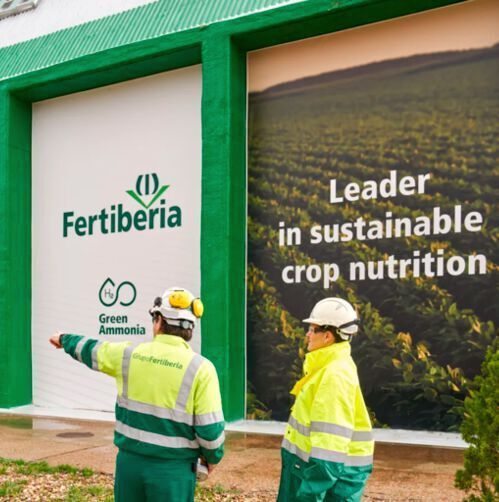
Grupo Fertiberia engaged Thyssenkrupp Uhde to reduce the carbon footprint of its existing ammonia plant in Puertollano, Spain.
(Source: Thyssenkrupp Uhde)
Aug 12 – Decarbonization is a major lever to protect the climate. Even better if existing assets can be preserved while converting them to carbon-free technologies. This is why Grupo Fertiberia engaged Thyssenkrupp Uhde to reduce the carbon footprint of its existing ammonia plant in Puertollano, Spain. The original plant was licensed and built by Thyssenkrupp Uhde in 1969 with a nameplate capacity of 600 metric tons per day (mtpd). It has been in operation ever since, using naphtha as the original feedstock.
Since the 1980s, Fertiberia has been reducing their GHG emissions through several revamps of the unit. Thyssenkrupp Uhde helped their customer to achieve this goal by revamping the plant so it could switch over to natural gas as feedstock and by improving the energy efficiency of the unit. In 2022, with its Net Zero By 2035 strategy, Fertiberia started the production of green hydrogen (20 MW water electrolysis unit) and green ammonia at its Puertollano site, becoming a global pioneer in the energy transition of the fertilizer sector.
Today, Thyssenkrupp Uhde is providing its expertise to further enhance the feedstock switch and partially convert production from grey to green ammonia by injecting green hydrogen.
David Herrero, Industrial Director at Fertiberia: “We are the first company in the agri-food sector that is committed to being carbon neutral within the next decade. This project is another step forward towards our goal to become one of the world leaders in the manufacture of low-carbon ammonia.”
Nadja Håkansson, CEO Thyssenkrupp Uhde: “We are very proud to have been selected once again by our long-standing customer Fertiberia to further decarbonize its production. By gradually replacing fossil-based ammonia production with green ammonia production, we have a huge lever for the green transformation of agriculture and entire industry sectors.”
The revamp concept is to maintain nameplate capacity while minimizing hardware modifications as much as possible. Greenhouse gas emissions will be further reduced by replacing a significant portion of the natural gas with green hydrogen. The necessary green hydrogen will come from a 50 MW water electrolysis unit which runs on renewable energies. With this modification, up to 40 % of the site production will be decarbonized.
Weltec Biopower Modernizes Biogas Plant in Australia
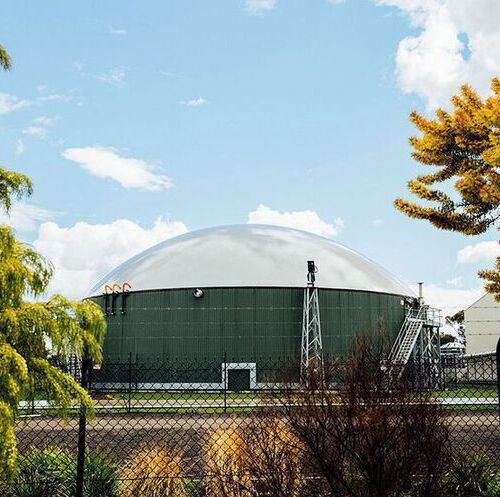
Weltec Biopower is supporting Yarra Valley Water for the refurbishment of its 1-megawatt biogas plant in the north of Melbourne.
(Source: Weltec Biopower)
Aug 21 – The German plant manufacturer Weltec Biopower is supporting Yarra Valley Water for the refurbishment of its 1-megawatt biogas plant in the north of Melbourne. Yarra Valley Water, is one of Australia’s largest water and wastewater companies. Since the completion of the waste and food waste plant by Weltec Biopower and its project partner in 2017, Yarra Valley Water’s Aurora Treatment Plant has been energy self-sufficient. In order to be able to operate the plant profitably into the future, it has been undergoing a technical modernization including biological service planned for August 2024. The work of the local team is being supported by Weltec on site.
The output of the plant, which has two 530-kilowatt CHP units, covers the energy requirements of the biogas plant. The electricity generated is able to power both the facility itself and the sewage treatment plant, with excess energy exported to the electricity grid. The plant has a processing capacity of 33,000 tons of organic waste from food processors and restaurants to generate around 7,500,000 kilowatt hours of energy per year. Accepted waste includes fats, oils, brewery and dairy residues, fruit and vegetables which are fed into the stainless-steel containers. The plant has already won prestigious awards for its technology: These include the Premier’s Sustainability Award for leading innovation and practice in Victoria and the Banksia Award for Leading in Circular Economy.
At the start of the maintenance work, the tanks will first be completely emptied. In addition, the roofs of the two 3,573 cubic meter stainless steel fermenters and internal plant components such as the agitator technology will be replaced. The plant will then be commissioned and operational management will be secured. The digester contents will be temporarily stored in the storage tank and material can be filled back into the tanks after the refurbishment so the plant can be up and running quickly. This saves resources and costs. In addition, it is easier to restart the biological process when the fermented material is immediately available. Last but not least, the processes also comply with occupational safety requirements, which are a high priority in Australia – especially when emptying and filling the tanks. Weltec will also provide on-site staff training.
Symrise Inaugurates New Lab Facility for Food & Beverage Innovation
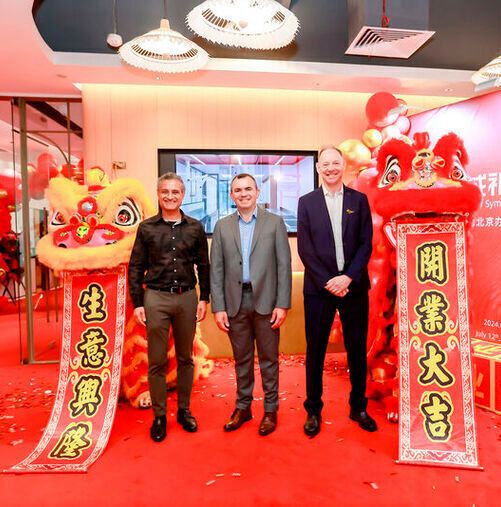
Symrise has recently announced the opening of a new office and lab facility for Food & Beverage in Beijing.
(Source: Symrise)
Aug 22 – Symrise has recently announced the opening of a new office and lab facility for Food & Beverage in Beijing. To optimally serve the dynamic and rapidly growing consumer base in the area, the company has invested 1.5 million euros in the facility. The location will enhance the R&D capabilities, customer proximity, and market presence in the North of China.
The country's diverse and evolving tastes, driven by a rising middle class and increasing urbanization, lead to stronger demand for beverages, dairy, culinary, and snacks. By expanding its presence in China, particularly with the new facility in Beijing, Symrise can perfectly cater to local preferences and swiftly respond to market trends.
The 800 sqm facility in Beijing covers 250 sqm of office space and 400 sqm of advanced laboratory areas as well as 150 sqm administration rooms. The labs include specialized zones for beverage and dairy creation, application, savory creation as well as snacks and seasonings, each equipped with dedicated workstations and evaluation rooms. This state-of-the-art setup enables Symrise to develop products tailored to the market. It can also provide comprehensive and swift support to customers in the region, ensuring timely and efficient service.
"China represents a crucial market for Symrise due to its dynamic and rapidly growing consumer base in food & beverage applications. As a logical consequence we have expanded our Beijing site to significantly enhance our R&D capabilities," said Walter Ribeiro, Global President, Food & Beverage at Symrise. "With a focus on customer proximity and technical excellence, this facility will serve as a vital hub for innovation and customer collaboration.
The facility also adds further resources to the company's main lab in Shanghai, ensuring continuous support and resource optimization. It offers an improved working environment for the team, with modern amenities and a design that balances flexibility, efficiency, and local cultural elements.
The Beijing office and lab underscore Symrise's commitment to innovation, customer intimacy, and market expansion. With additional hires of technical experts, the company sees itself well-positioned to drive growth and deliver superior products across various categories. Symrise anticipates this facility will enhance its current offerings and open market opportunities, solidifying its presence in the Northern China and beyond.
Revolutionary Green Ammonia Plant Inaugurated in Denmark
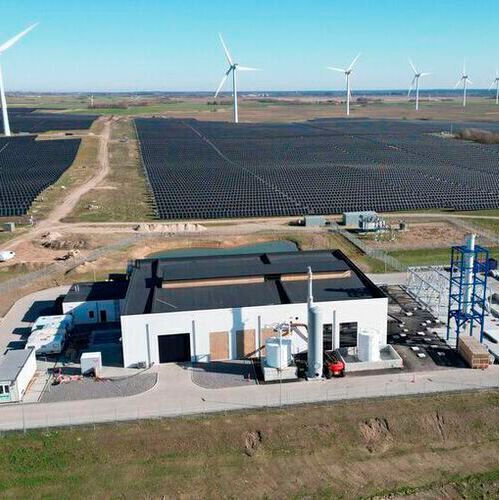
The dynamic green ammonia plant in Ramme, Denmark.
(Source: Topsoe)
Aug 27 – Topsoe and its partners Skovgaard Energy and Vestas have inaugurated a new green ammonia plant in Ramme, Denmark. The plant will demonstrate a dynamic approach, which entails that the plant will adapt to the inherent fluctuations in power output from the renewable power sources in integration with the plant’s electrolysis and ammonia synthesis loop. This will ensure optimal production and improve cost-effectiveness. With the power coming from renewable sources, the produced ammonia will be labelled as green ammonia.
Ammonia – either in the form of low-carbon ammonia or as an e-fuel – is expected to play a critical role in the world’s journey towards net zero: It can be transported using existing infrastructure; and it has multiple end-uses, not only as a fuel or hydrogen carrier but also to help decarbonize industrial processes like steel and cement production.
Kim Hedegaard, CEO Power-to-X at Topsoe, said: “With this new facility, we are taking an important step, which will benefit both Denmark and the rest of the world. We need to continue the development of green alternatives for energy-intensive industries and long-distance transportation with research, innovation and action. This project is a unique example of going from good intentions to actively supporting the energy transition.”
Niels Erik Madsen, CEO at Skovgaard Energy, said: “We have achieved a milestone in Denmark. Until today, we have been able to supply plenty of green power to the power grid, but we have not been able to store it or convert it to the needs of industry. We are now able to do just that, when we turn green electricity into green ammonia.”
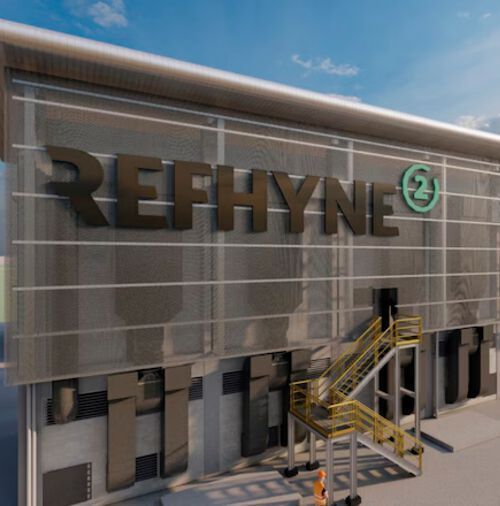
Linde to Develop Renewable Hydrogen Plant for Refhyne II Project in Germany
Refhyne II is expected to produce up to 44,000 kilograms per day of renewable hydrogen to partially decarbonize site operations.
(Source: Linde)
Aug 27 – Linde Engineering has signed an agreement with Shell Deutschland (Shell) to build a 100 megawatt (MW) renewable hydrogen plant for the Refhyne II project at the Shell Energy and Chemicals Park Rheinland in Wesseling, Germany. Linde Engineering will be responsible for the engineering, procurement and construction of a new proton-exchange membrane (PEM) hydrogen electrolysis facility. ITM Power will supply the electrolyzer stacks.
Refhyne II is expected to produce up to 44,000 kilograms per day of renewable hydrogen to partially decarbonize site operations. It will be used to produce cleaner energy products, such as transport fuels, with a lower carbon intensity. As demand evolves, renewable hydrogen from Refhyne II could also be directly supplied to industrial customers in the region to help them lower their emissions. The facility is scheduled to begin operations in 2027.
“Hydrogen will play a key role in decarbonizing energy-intensive industrial sectors, and Linde is at the forefront of developing the technology needed to achieve this,” said John van der Velden, Senior Vice President Global Sales & Technology at Linde Engineering. “This project draws on our decades of experience in developing hydrogen projects at scale worldwide and we are proud to have been selected by Shell to help deliver its vision for Refhyne II. This project also demonstrates how strong political commitment and supportive incentives can help progress the development of the hydrogen economy.”
The Refhyne II project has been enabled by financial support from both the European Union and the Federal Government and benefits from a regulatory framework supporting the use of renewable hydrogen.
“With the 100 MW electrolysis Refhyne II, we are further advancing Shell’s goal of being a net-zero-emissions-company by 2050. For Shell Energy & Chemicals Park Rheinland, Refhyne II is a great investment and a milestone in its transition. The project will benefit from the experience that Shell and its partners Linde and ITM have in the development, construction and operation of other renewable hydrogen projects in Europe”, said Andrew Beard, Shell VP Hydrogen.
Refhyne II follows the success of the 10 MW PEM electrolyzer Refhyne I, which started up in 2021 and employs PEM electrolyzer technology.
BP Awards Feed Contract to Technip Energies for H2Teesside Project
In the perspective of a 2025 final investment decision, the next step for Technip Energies, if selected, will be to provide the full EPCC package for the project.
(Source: Pixabay)
Aug 29 – Technip Energies has been awarded the Front-End Engineering Design (Feed) contract by BP for the H2Teesside project in the North East of the United Kingdom. H2Teesside is expected to be one of the UK’s largest low-carbon hydrogen production facilities - fully integrated with carbon capture technology.
As part of the Feed study, Technip Energies will deliver a comprehensive design utilizing their in-house expertise and global best practices to design a large-scale project, integrating hydrogen and carbon capture technologies. In the perspective of a 2025 final investment decision, the next step for Technip Energies, if selected, will be to provide the full Engineering Procurement, Construction and Commissioning (EPCC) package for the project.
As part of the East Coast Cluster, the integrated H2Teesside hydrogen production and hydrogen distribution pipeline will integrate with other decarbonization projects in the region. The CO2 captured from the H2Teesside facility will be exported to the Northern Endurance Partnership (NEP) CO2 gathering system.
Mario Tommaselli, SVP Gas and Low Carbon Energies of Technip Energies commented: “Being selected for BP’s H2Teesside project highlights Technip Energies' proven experience in working as a technology integrator on large-scale projects. By leveraging our extensive expertise in hydrogen and carbon capture technologies, we are well-positioned to deliver innovative at-scale solutions that align with the UK’s ambitious decarbonization targets.”
Andy Lane, VP for hydrogen and CCUS at BP, UK, said: “These agreements mark further critical milestones for H2Teesside as the project continues to move towards EPC contracts and then construction. The project could play a critical role in decarbonizing the industry on Teesside, helping to transform the region into a leading hydrogen hub and kickstart the UK’s low carbon hydrogen economy.”




:quality(80)/p7i.vogel.de/wcms/77/1c/771c3d385d46ede7ab736f3f7d63cb62/0130007313v2.jpeg "The laser perforated filter elements for Eaton’s DCF series enable retention ratings that were previously unattainable with conventional manufacturing methods. Thanks to automatic self-cleaning, they also provide uninterrupted operation with long service life and minimal maintenance requirements. (Source: Eaton )")
:quality(80)/p7i.vogel.de/wcms/0b/33/0b3359449325c4e66cffdb41fce11683/0129956557v2.jpeg "Aramco Senior Vice President of Digital & Information Technology Sami A. Al Ajmi, sitting right, and President of Microsoft Arabia Turki Badhris, sitting left, at a signing ceremony attended by Aramco Executive Vice President of Technology & Innovation Ahmad O. Al Khowaiter, standing right, and Vice Chair and President of Microsoft Brad Smith, standing left. (Source: Aramco )")
:quality(80)/p7i.vogel.de/wcms/60/25/60259e0165560492b717049a5006b5d2/0129719891v2.jpeg "Adnoc's panorama digital command center. (Source: Adnoc )")
:quality(80)/p7i.vogel.de/wcms/40/8f/408f074f8094bca2cd9bb078e79eccb0/0129580192v2.jpeg "The Anymal robot undertaking gas leak detection in the field. (Source: Anybotics)")
:quality(80)/p7i.vogel.de/wcms/fd/61/fd617d02373498db1a96ba012e4cfdcd/0130026960v2.jpeg "Reliance Industries, one of India’s largest energy companies, will be investing in the new refinery at the Port of Brownsville in Texas, USA, according to Trump’s post. (Source: Unsplash )")
:quality(80)/p7i.vogel.de/wcms/93/9f/939fb603e5c2c60e52e4e92dd1de44e2/0129972638v2.jpeg "Shintech Louisiana has recently announced a 3.4-billion-dollar investment to bolster its manufacturing capabilities in the state. (Source: Pixabay)")
:quality(80)/p7i.vogel.de/wcms/0d/22/0d221bfb0debc81ac74afafc9cc632c2/0129972549v2.jpeg "The overall package is worth 485 million euros, of which 10 million euros related to engineering activities already started will be recognized in the pre-FID phase, while the remaining part at Final Investment Decision. (Source: Pixabay)")
:quality(80)/p7i.vogel.de/wcms/1d/da/1ddaee208ed26c1ad241f3b8fb216afe/0129956568v2.jpeg "Inox Air Products has entered into a long-term partnership with TACC for the supply of nitrogen through a dedicated onsite nitrogen plant for their upcoming greenfield manufacturing facility in Dewas, Madhya Pradesh, India. (Source: Pixabay)")
:quality(80)/p7i.vogel.de/wcms/6b/3f/6b3f057c83c494e4732337d870d52b21/0130006927v2.jpeg "Lonza will realize upfront cash proceeds of 2.2 billion dollars and retain a 40 % stake in the business, with additional preferential participation in its future exit. (Source: Lonza)")
:quality(80)/p7i.vogel.de/wcms/df/cd/dfcd0c2e0eb4b554f956e0161ae08519/0129794328v1.jpeg "The plasma fractionation facility at CSL Behring, viewed from the outside. (Source: CSL Behring)")
:quality(80)/p7i.vogel.de/wcms/74/af/74af2b65341eeee13a44bc85eb759596/0129839901v2.jpeg "With around 6,000 European companies operating in India and an annual trade of 180 billion euros between the EU and India at present, the trade deal intends to double EU goods exports to India by 2032. (Source: © NazeerArt - stock.adobe.com)")
:quality(80)/p7i.vogel.de/wcms/26/12/261210e5920899e5c35c4f905d3be8bd/0129399814v2.jpeg "Powders used in DPI formulations are often highly potent and administered in very low doses. (Source: Ima)")
:quality(80)/p7i.vogel.de/wcms/a6/84/a68477d4ef879cc9cedeae332ca57c49/0129893677v2.jpeg "Siemens and Caphenia sign the partnership agreement. From left to right: Nicky Ahnert, Jürgen Giegerich, Frank Knauf (all Siemens), Dr. Mark Misselhorn, Dr. Andreas Waibel (both Caphenia) (Source: Siemens)")
:quality(80)/p7i.vogel.de/wcms/42/67/42671f576c7f8a1284b54bc8f92cce02/0129864175v2.jpeg "Honeywell’s advanced technologies and standardized design will help Verso Energy reduce capital expenses, accelerate speed to market and increase global SAF capacity. (Source: Pixabay)")
:quality(80)/p7i.vogel.de/wcms/f7/70/f770417abff565b1743068fa37d21266/0129833262v2.jpeg "Under the agreement, Air Liquide will supply the necessary oxygen for Holcim’s oxyfuel-ready clinker production line, as well as provide its innovative and proprietary Cryocap Oxy technology to enable the capture of CO₂ emissions with high efficiency. (Source: Air Liquide )")
:quality(80)/p7i.vogel.de/wcms/9f/7c/9f7cd6c9dcb679827c4c2c10f116c8b9/0129832882v2.jpeg "The extended agreement helps support World Fuel's ability to secure SAF supply and comply with regulatory requirements, including the Refuel EU Aviation Regulation and the UK SAF mandate. (Source: World Fuel Services)")
:quality(80)/p7i.vogel.de/wcms/be/e1/bee13b8d51a419b9b8f0685e2b9d47bf/0128917673v1.jpeg "The Centerwave 6000 measures pipes from 32 to 1,600 mm. (Source: Maag Group)")
:quality(80)/p7i.vogel.de/wcms/51/7a/517a4e83c5827663b4839f5ddb98f434/0128872953v1.jpeg "The Tigron in SIL version can be flexibly configured for different safety requirements. (Source: Auma)")
:quality(80)/p7i.vogel.de/wcms/d5/72/d5728578b35b72f365f5086bc1d068da/0128662441v2.jpeg "Nikkiso Clean Energy & Industrial Gases Group has announced the launch of its new multistage process pump (MSPP 210), designed to enhance safety and reduce downtime on air separation equipment. (Source: Nikkiso Clean Energy & Industrial Gases Group)")
:quality(80)/p7i.vogel.de/wcms/a9/69/a96920e47e362a9cf0b9916b7ad3d30a/0128071795v2.jpeg "Nine partners from six European countries are working on the 36-month project to determine where heat pumps can achieve the greatest efficiency gains in the food and beverage sector and to develop reproducible and market-ready solutions. (Source: EU project Exquisheat)")
:quality(80)/p7i.vogel.de/wcms/c4/54/c454c7d8fd344c0ffc2ef5db00ad632f/0129728429v2.jpeg "Liqtech International recently launched its Qureflow Max produced-water treatment system. (Source: Liqtech International )")
:quality(80)/p7i.vogel.de/wcms/18/47/1847e6b1456c96f04bd511bbd21f3779/0129039479v2.jpeg "Jacobs has been selected as the progressive design-build contractor for upgrades to the San José–Santa Clara Regional Wastewater Facility in California. (Source: Jacobs)")
:quality(80)/p7i.vogel.de/wcms/3b/fd/3bfda4bbcb1a60004c330bde3b705109/0128453300v2.jpeg "In the Jiangsu province, Suez will partner with Lianyun Economic Development Zone to jointly study the investment in, build, and operate a new industrial water treatment plant. (Source: Pixabay)")
:quality(80)/p7i.vogel.de/wcms/cc/19/cc19aa5fec6f6f2b25dbd9516efed735/0128077403v2.jpeg "Distinguished guests at the ceremony included senior government officials, Japan’s Ambassador, and local business leaders. (Source: Toray)")
:quality(80)/p7i.vogel.de/wcms/6b/cc/6bcc3d26e1c7c74d90a10bc3ca296ae1/0128362351v2.jpeg "A look into Bayer's new tablet production, Solida 1, during construction: The robots and lift columns for material handling are being installed. (Source: Bayer)")
:quality(80)/p7i.vogel.de/wcms/24/c8/24c84ab6b1bcd24468a87820a07a85aa/0128194707v2.jpeg "Ajax Equipment has supplied Binding Solutions with a feed system comprising buffer hopper, screw feeder and agitated screw feeder for a pilot plant handling iron ore and additives. (Source: Ajax Equipment )")
:quality(80)/p7i.vogel.de/wcms/1d/3e/1d3e2788eb37c1e974f36337c8d33cb5/0128191010v2.jpeg "Ajax Equipment has supplied IGI Systems with a stainless-steel conical hopper with gas purge capability, as part of a prototype Sublimation System for a low-pressure chemical vapour deposition application. (Source: Ajax Equipment)")
:quality(80)/p7i.vogel.de/wcms/19/76/1976928d7d0a2ed7c1eeba7ade8552c8/0126365603v1.jpeg "Detail of Valvedesign: It has an aktiv amd passive part (Bild: Italvacuum)")
:quality(80)/p7i.vogel.de/wcms/51/38/51382cd4287d6372a6f9648c25de55bf/0130024254v2.jpeg "On March 4, 2026, Qatar Energy declared force majeure to its buyers due to military attacks on its operating facilities in Ras Laffan Industrial City and Mesaieed Industrial City in Qatar. (Source: © Fahad - stock.adobe.com)")
:quality(80)/p7i.vogel.de/wcms/1d/33/1d33cbe43461f24175e18aa01a426840/0129971592v2.jpeg "KBR has been awarded a major contract by Basra Oil Company to provide Integrated Field Management Services for the Majnoon Oil Field in Iraq. (Source: KBR)")
:quality(80)/p7i.vogel.de/wcms/e6/e1/e6e126a90647ced00f744126dd914531/0129956040v2.jpeg "BASF’s dispersion-production building at the Durban site, South Africa — exterior view showing the facility and surrounding site infrastructure. (Source: BASF )")
:quality(80)/p7i.vogel.de/wcms/f8/29/f8298429c1638b949a6f76346f6709c7/0118701710v2.jpeg "Bosch Industrial Heat will be presenting sustainable steam and heat solutions for global industrial use at the Achema trade fair in Frankfurt, Germany. (Source: Bosch Industriekessel)")
:quality(80)/p7i.vogel.de/wcms/07/24/07242664ab2b1c7841c9d9d0a127670c/0116045959.jpeg "A look inside the GEA machine room. (Bild: Magnavale)")
:quality(80)/p7i.vogel.de/wcms/c9/79/c979a20b32395ddfa93fe7ead90578a0/0108386061.jpeg "Production residues, lime, salt and suspended solids quickly clog the pipes. (Source:©Tanakorn - stock.adobe.com)")
:quality(80)/p7i.vogel.de/wcms/9e/5c/9e5c92d942ed046a27562d6e3d730c92/0103483548.jpeg "It is almost ten metres high and extends over three floors: the world's first multiple dividing wall column is located in the new technical centre at the University of Ulm. (Bild: Eberhardt, kiz Universität Ulm)")
:quality(80)/p7i.vogel.de/wcms/1f/60/1f608b1d7b9fe0abab30d68341eaefc7/0130031208v2.jpeg "Adnoc suspends operations at the Ruwais oil refinery following a fire triggered by a drone attack on March 10, 2026. (Source: Adnoc)")
:quality(80)/p7i.vogel.de/wcms/a8/4e/a84e8039a90a5cf4751d01ebcf6ba1a9/0127510172v2.jpeg "After six years, Achemasia, the international trade fair and innovation forum for sustainable chemical production, has returned with renewed vigor, bringing together global expertise, Chinese innovation, and a shared commitment to a greener industrial future—according to the organizers of the fair. (Source:PROCESS China)")
:quality(80)/p7i.vogel.de/wcms/17/c7/17c703445f134eb3d7ecc7918dda2762/0124596096v2.jpeg "Achema Middle East will launch in Saudi Arabia in 2026. (Bild: Dechema/ Hannibal)")
:quality(80)/p7i.vogel.de/wcms/2a/2c/2a2cffc07f51019065387cd63241b5ce/0119463370v1.jpeg "The Injecta 36 fills and seals RTU (Ready-to-Use) syringes at high speed. The image shows the robotic arm. (Source: IMA)")
:quality(80)/p7i.vogel.de/wcms/b1/7e/b17ea8c62ccafad1d1fb072d6199bbd6/0118578446.jpeg "“Star in the ring”: Vegapuls 6X radar level sensors are the solution of choice for Renolit for many applications on the way to the perfect plastic product. (Source: © MR Design - stock.adobe.com; Vega)")
:quality(80)/p7i.vogel.de/wcms/01/9b/019b59f3ef2e852ec5058ba18f323af2/0129651573v2.jpeg "With its strategic ‘Vision 2030’ plan announced in 2016, Saudi Arabia aims to diversify its economy by investing in sectors such as tourism, technology and industry, reduce its reliance on oil, and transform the country into a cleaner and more sustainable economy. (Source: © Peter Hermes Furian - stock.adobe.com)")
:fill(fff,0)/images.vogel.de/vogelonline/companyimg/2000/2093/65.jpg "Glatt_Logo_ND4c-RGB (5x3cm).jpg ()")
:fill(fff,0)/p7i.vogel.de/companies/61/f9/61f9439b7cbe4/logo-edl.png "logo-edl (EDL Anlagenbau Gesellschaft mbH)")
:fill(fff,0)/images.vogel.de/vogelonline/companyimg/103000/103097/65.jpg "Pörner Gruppe mit Rand.jpg ()")


:quality(80)/p7i.vogel.de/wcms/ce/57/ce57e2593263485e488b2414f289f06c/0129390574v4.jpeg "Invista and Epoch Biodesign have announced signing of a MOU aimed at advancing the development of post-consumer recycled nylon 6,6. (Source: Pixabay)")
:quality(80)/p7i.vogel.de/wcms/5a/9b/5a9b35f4e65032393b47f46c3c58c4e8/0126548983v2.jpeg "At a glance: Plant engineering projects from across the globe. (Source: © Prasanth - stock.adobe.com)")