The chemical industry is striving to accomplish decarbonization in its overall operations in order to achieve net zero emissions by 2050. For this purpose, the sector is exploring many existing as well as innovative technologies to help it transform like never before.
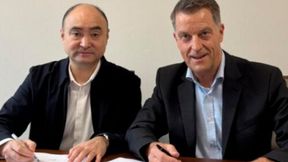
A strategic collaboration agreement between Adnoc and Mitsubishi Heavy Industries will seek synergies between both companies, with the aim of accelerating the development of global hydrogen and ammonia value chains.
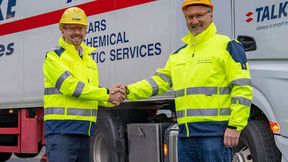
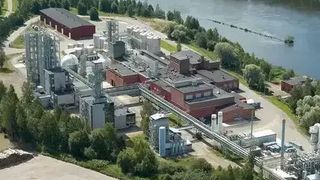
Solvay’s Voikkaa site in Finland has been operating on 100 % wind-generated electricity however, the transportation of its products results in more than 850 tons of CO2 emissions annually. To address this issue, the firm collaborated with transportation providers who will transition to biofuels in 2024, thus leading to a significant annual reduction of over 700 tons of CO2 emissions.
Italy has witnessed the inauguration of an important project – the Modena Hydrogen Valley which will help in the development of renewable hydrogen and also support the country’s energy transition.
A consortium of 15 companies including Neste have successfully concluded a joint ‘E-Fuel research project’ in which high temperature electrolysis (SOEC), carbon capture, and hydrocarbon synthesis technologies were demonstrated and production of synthetic e-fuels was also accelerated.
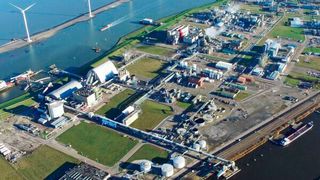
Hycc delays the green hydrogen project H2eron in Delfzijl to 2028 due to slow market development and rising costs. The European Renewable Energy Directive III impacts the timeline, pushing market maturity to around 2030. To mitigate costs, Hycc plans to increase H2eron's capacity to 50 MW and shifts from Nel to Norwegian alkaline electrolyzers for the project.
Topsoe has received a massive funding of 94 million euros from EU’s Innovation Fund for developing a solid oxide electrolyzer cells factory in Denmark. The factory is expected to manufacture advanced, energy efficient solid oxide electrolyzer cells which are used in the production of green hydrogen.
KBR’s blue ammonia technology has been selected by Inpex Corporation and LSB Industries for a large-scale clean ammonia production and export project in the US Gulf Coast. KBR will be responsible to provide technology licensing and proprietary engineering design for the 1.1 million tonnes per annum ammonia plant.
KBR’s K-Green technology has been selected for Lotte Chemical's H2biscus Green Ammonia Project in Sarawak, Malaysia. The project is expected to produce 800 KTA of green ammonia from hydropower.
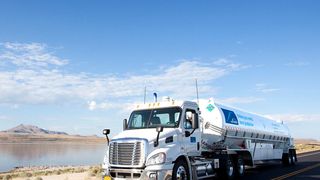
Linde boosts its liquid hydrogen production at the McIntosh, Alabama facility, now generating up to 30 tons daily to meet growing demands in manufacturing, electronics, space launch, and mobility sectors.