The Saudi Arabian Mining Company has entered into a frame agreement with Metso and Thyssenkrupp Uhde to develop a unique phosphogypsum recycling and CO2 capture solution for its calcination plant at Ras Al Khair in Saudi Arabia.
Kemira has plans to expand the capacity of its ferric sulfate water treatment chemicals production line in Goole, UK. The mega investment is expected to meet the growing demand for coagulants.
Tecnimont has been given the go ahead to begin engineering works for Kima’s fertilizer project in Egypt. Full EPC activities are expected to begin by the end of June. The overall value of the EPC contract is 300 million dollars.
The Renewable Carbon Initiative (RCI) published its latest report ‘Case Studies Based on Peer-reviewed Life Cycle Assessments – Carbon Footprints of Different Renewable Carbon-based Chemicals and Materials’. The report revealed that renewable carbon-based materials exhibited significant lower CO2 footprint than its fossil counterparts.
Borealis has appointed Craig Arnold as the company’s new Executive Vice President Polyolefins, Circular Economy Solutions and Innovation & Technology. He will assume his responsibility from February 1, 2024.
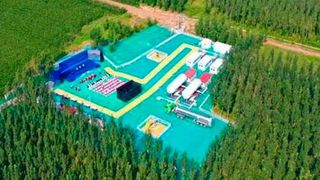
At the recently held global climate event COP 28 in Dubai, UAE, Sinopec highlighted the progress made by the company on carbon, capture, utilization and storage.
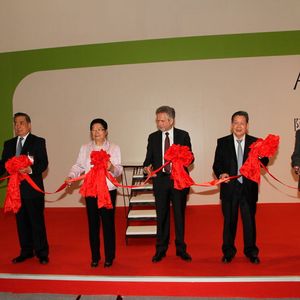
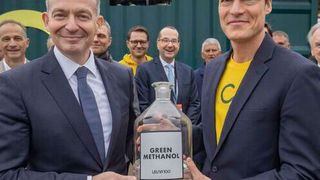
A pilot plant for cost-efficient production of green methanol was recently inaugurated at the chemical park in Leuna, Germany by the Minister for Transport Dr. Volker Wissing. The plant is part of the ‘Leuna100’ project and aims to offer climate-friendly fuels to container shipping and aviation industries.
With an aim to further strengthen its presence in the construction chemicals market in Saudi Arabia, Saint Gobain has plans to takeover Izomaks Industries, a local company known for manufacturing waterproofing products in the country.
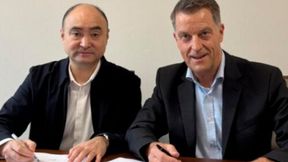
Under a MOU signed between both the parties, KBR and ISU Chemical will work together to develop a commercial ammonia cracking project in the Republic of Korea. The project will make use of KBR’s H2Act ammonia cracking technology.
Lummus Technology and Citroniq Chemicals have entered into licensing and engineering agreements for the development of green polypropylene plants in the U.S. The first unit is expected to produce 400kta of bio-polypropylene.