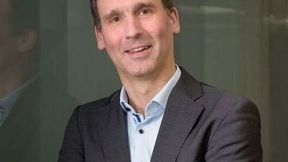
Roeland Baan will be succeeding Bjerne S. Clausen as Haldor Topsoe’s new Chief Executive Officer. Previously, Baan has held numerous higher management designations in Outokumpu, Aleris International, Arcelor Mittal, SHV and Shell.
With the incorporation of Haldor Topsoe’s technology, the new methanol facility in Russia is expected to produce 1.6 million tonnes of АА grade methanol annually. The plant is scheduled for completion in 2023.
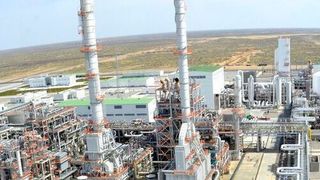
With a production capacity of 5225 MTPD, the methanol plant is part of the mega natural gas-to-gasoline complex in Turkmenistan. The project makes use of Haldor Topsoe’s Syncor Methanol solution to produce synthetic gasoline.
Haldor Topsoe and Sasol have signed a collaboration agreement under which both the firms will continue to supply their core technologies and also offer Topsoe’s hydroprocessing and hydrogen technologies. The move will enable customers to get access to a single-point licensing offering for proven gas to liquid solutions.
With the rising demand for ammonia, methanol, and DME grassroots plants in Indonesia, the firm aims to offer cutting edge technology, catalysts and solutions for the region’s petrochemical and fertiliser industry.
The company’s Convection Reformer technology will be used for producing hydrogen at Novatek’s refinery in Ust-Luga, Russia. The specialised innovation requires a small footprint and can be installed quickly at the site.
The new plant is being developed in line with the Government of India’s plan to ensure self-sufficiency of urea fertilizers in the domestic market. The plant is scheduled to begin operations in the second quarter of 2019.
United Chemical Company Shchekinoazot Shchekinoazot launched a methanol and ammonia co-production plant licensed by Haldor Topsoe in the Tula region of Russia. The new plant can produce 450,000 tons of methanol and 135,000 tons of ammonia per year and is based on Topsoe’s Imap technology.
CB&I announced that it has been awarded a contract using their alkylation technology in Indonesia as well as a technology and development contract for a residue upgrading complex in Sweden.
The project aims at maximising biocrude yields in a commercially viable manner as well as improving the efficiency of biocrude to renewable diesel blendstock. It also plans to make the next-generation of renewable biofuels competitive.