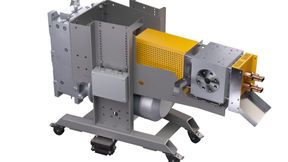
Graph of temperature development in expansion vessel. (Heat Transfer Technique/ Vogel Communications Group )
Plant Separation System to Atmosphere

How to Handle the Temperature Curve in the Expansion Vessel

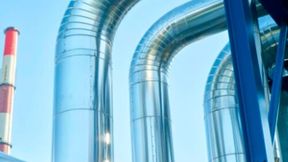
Heat transfer fluids in a broader sense as well as water and water steam include: refrigerants, organic fluids, salt melts, liquid metals and hot gases. The German standard reference 'Heat Transfer Technique with Organic Fluids' is now published as an international edition as Vogel-Reference-Book. This technical operation specialist book describes plants that primarily use organic heat transfer fluids. In our PROCESS-Series we present you some excerpts of this book. In this article we will show you, how to handle with temperature curve in the expansion vessel.

Read on

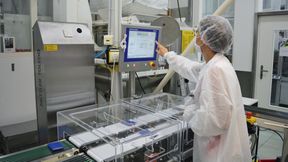
The new system that brings precision in moisture analysis (Source: LRT)
Water/Wastewater Treatment

Water Treatment for the Dye Industry

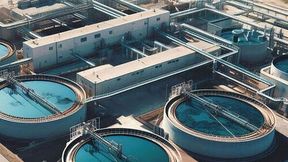
Textile dyeing industry is one of the most water consuming industries after thermal, engineering pulp and paper industries. In India water consumed by textile industries in the year of 2010 was around 1900 Mm3 (Million cubic meters) and effluent water generated was around 75 per cent of its intake. Discover the dos and don'ts of industrial water treatment...

Read on
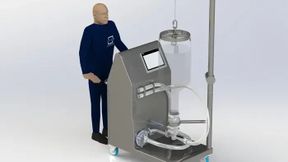
Cleaning in Place can be applied to any industry and plant where hygiene is critical. This process is usually an integral part of any automated plant.  (Picture: Bürkert)
Cleaning in Place

What is Cleaning in Place and How Does it Work?

Cleaning in Place (CIP) has been around for approximately 50 years, and is commonly used in hygiene critical industries, such Food, Beverage and Pharmaceutical, to clean a wide range of plant. CIP refers to the use of a mix of chemicals, heat and water to clean machinery, vessels or pipe work without dismantling plant. The process can be one shot, where everything goes to drain, or recovery, which recycles most of the liquid. Overall, CIP can be a very efficient way of cleaning.

Read on