

































Back to Basics Part 1 A Guide to Checkweighing in Pharmaceutical Production
Related Vendors


Checkweighers measure the weight of individual packs in motion and detect deviations from specified limits. This first instalment in the Back to Basics series explains their role in fill-level control, completeness checks and documentation.
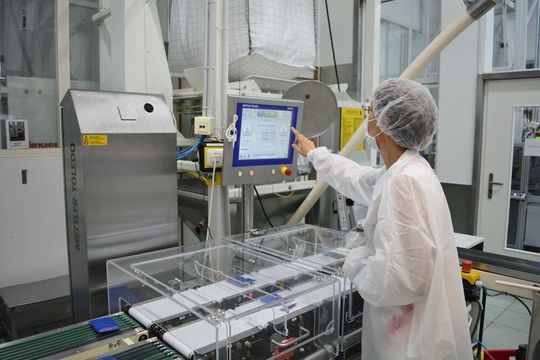
When it comes to pharmaceutical manufacturing, precision is more than a performance goal, it is a regulatory necessity. From tablets to vials, every unit must meet strict quality and compliance standards that protect patients and uphold trust. Checkweighing technology plays a central role in this process, helping manufacturers confirm pack completeness, verify fill levels and record compliance across both solid and liquid production lines.
What Is Checkweighing in Pharmaceutical Manufacturing?
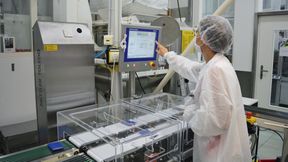
Checkweighing, or dynamic weighing, measures the weight of individual products as they move along the production line. Unlike static balances used in laboratories, dynamic checkweighers verify the weight of every item in real time without interrupting throughput.
Sign in or register and read on
Please log in or register and read this article. To be able to read this article in full, you must be registered. Free registration gives you access to exclusive specialist information.
Already registered? Log in here

